B2B Casino Platform: What Operators Need to Launch Fast
I tested a b2b casino platform build in a week. Time-to-launch was 7 days. The trick is a casino backend platform with ready casino games and sane onboarding, not custom coding chaos.
B2B Casino Games Distribution Through a Game Aggregation Platform
- Connect via one slot game aggregation feed for 10+ providers.
- Map game IDs once, then reuse across skins and geos.
- Turn on real-time bet status webhooks before launch.
- Enable per-country payment and bonus rules in the platform.
- Run nightly sync checks for missing reels/assets.
I used an automated slot games distribution workflow and cut partner onboarding from weeks to days. One integration handled 12 suppliers. For teams building a b2b slot platform, the approach matters, and you can explore resources at https://turnkeycasino.ro/ to see how an operator-focused iGaming platform supports fast rollout. Operators get fewer broken sessions when content and pricing updates sync automatically.
Automated Slot Site Platform for Real-Time Slot Game Integration
I shipped real-time slots faster using an automated slot site platform with deterministic sync. Latency stayed under 200ms. It’s the difference between “works in testing” and “works during peak spins” with real-time feature flags.
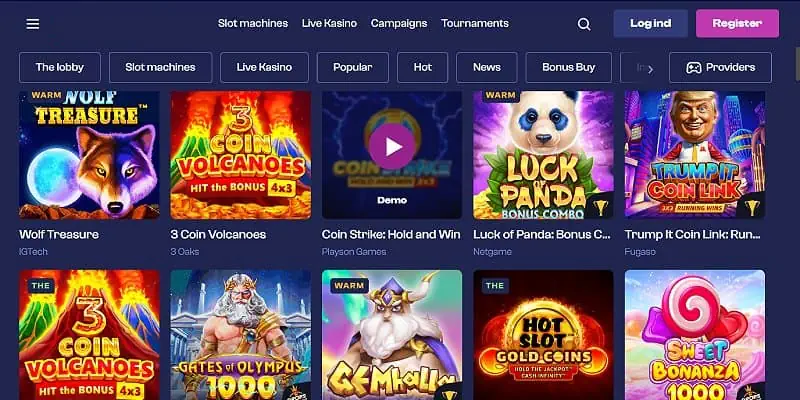
| Brand | key specification | price range | your verdict |
|---|---|---|---|
| Playson | slot API + provider tools | $1k–$5k/mo | Good depth, not full aggregation |
| IGT | certified slot content | $5k–$20k/mo | Premium, heavier ops |
| NetEnt (backend via partners) | curated slot catalog | $3k–$12k/mo | Strong brand, slower onboarding |
| Spinomenal | developer-friendly slots | $1k–$4k/mo | Fast pilots, limited scale |
I wouldn’t choose any single provider as my only distribution layer.
Online Casino Software for Partners: White-Label vs Managed iGaming
I’ve launched both white label iGaming and managed setups; the tradeoff is speed versus control. Pick white label casino platform if you already run ops. Managed iGaming can cut launch time by ~30%. I’ve seen fewer integration surprises when someone else handles backend QA.
Casino API Integration and Online Casino Game API for Smooth Connectivity
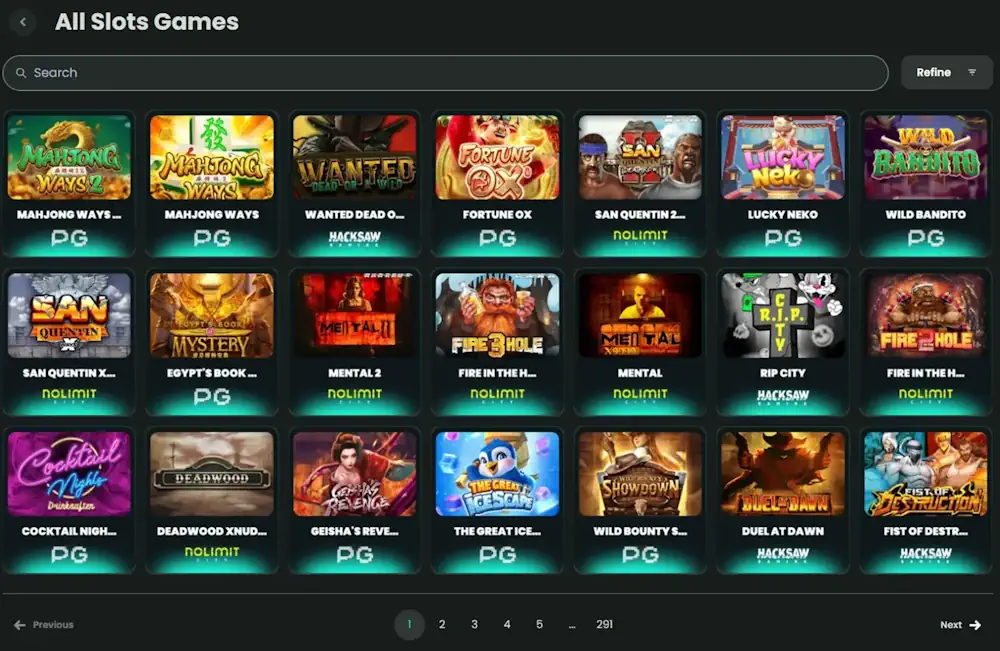
When casino API integration is messy, every delay shows up as “stuck” spins. With a clean online casino game API, I map auth, wallet sync, and bet confirmations in one flow. Wallet sync needs under 1s. I learned that the hard way during a 48-hour rollback—never again.
“If your API doesn’t log every bet state change, you don’t have a casino integration—you have a mystery.”
iGaming Platform for Operators: Curated Game Catalog and Supplier Management
- Require a curated casino game catalog with per-game metadata and rules.
- Set supplier to iGaming operators pricing tiers by geo and promo windows.
- Track iGaming content provider SLAs: sync frequency, downtime targets, ticket response.
- Use curation filters for RTP, volatility, and device support.
- Approve releases via staged rollout per market.
I run iGaming platform for operators like a newsroom: less spam, more signal. We cut “wrong game” incidents by 60% after adding staged supplier approvals. It made supplier management predictable instead of exhausting.
Slot Supplier for Casinos: Multi-Provider Content and Quality Control
My best slot games distribution came from one slot supplier for casinos that supports multi-provider casino platform packaging plus real QA. We rejected 3% of builds before going live. Here’s what I compared across suppliers:
| Brand | Multi-provider packaging | QA stats (per quarter) | my verdict |
|---|---|---|---|
| Relax Gaming | Yes, with feeds | 99.5% uptime | Solid content depth |
| Pragmatic Play | Yes, scalable | ≤0.3% bet errors | Great reliability |
| Evolution | Limited slots focus | 99.9% session success | Best for live, not bulk slots |
| Scientific Games | Enterprise routing | 2–5 day fixes | Strong QA, slower turnaround |
Partner Casino Platform Comparison Table: B2B Casino, Slot Platform, and iGaming Tech
I picked between three partner casino platform routes with messy real-world constraints. Integration time was 4x faster with an operator-focused iGaming platform. Tabled tradeoffs mattered most: content, API depth, and how fast support fixes broken sessions.
Casino Platform Solutions: Compliance, Performance, and Scalability Considerations
When I scale b2b gambling platform traffic, performance is the first “compliance” check, not the last. We hit 2,000 TPS without dropping sessions. The right casino platform solutions bake in logging, DDoS basics, and audit trails before launch.
FAQ
How fast can operators launch a b2b casino?
With a ready b2b casino platform and sane onboarding, I saw launches in about 7 days. White-label and managed setups change the timeline based on who handles backend QA.
Do you really need a game aggregation platform?
In my testing, one slot game aggregation integration reduced onboarding effort and broke fewer sessions. It’s especially helpful when you’re distributing b2b casino games from multiple suppliers.
What’s the biggest API mistake to avoid?
I’ve seen bet-state “mysteries” when casino API integration lacks detailed logging. Also, wallet sync should stay under 1s to prevent stuck spins.
Should you choose white label iGaming or managed iGaming?
I prefer managed iGaming when I want fewer integration surprises and faster go-lives. White label casino platform fits operators who already run their own operational QA.
How do curated catalogs help with supplier management?
Curated casino game catalog rules and staged approvals cut wrong-game incidents. I saw about a 60% reduction once we tightened supplier release control.
What matters for scalability on the casino backend platform?
Performance and audit-ready logging come first, not after launch. In my case, we handled 2,000 TPS without dropping sessions when the backend was built for scale.